2026-04-25
来源:中国外文局翻译院


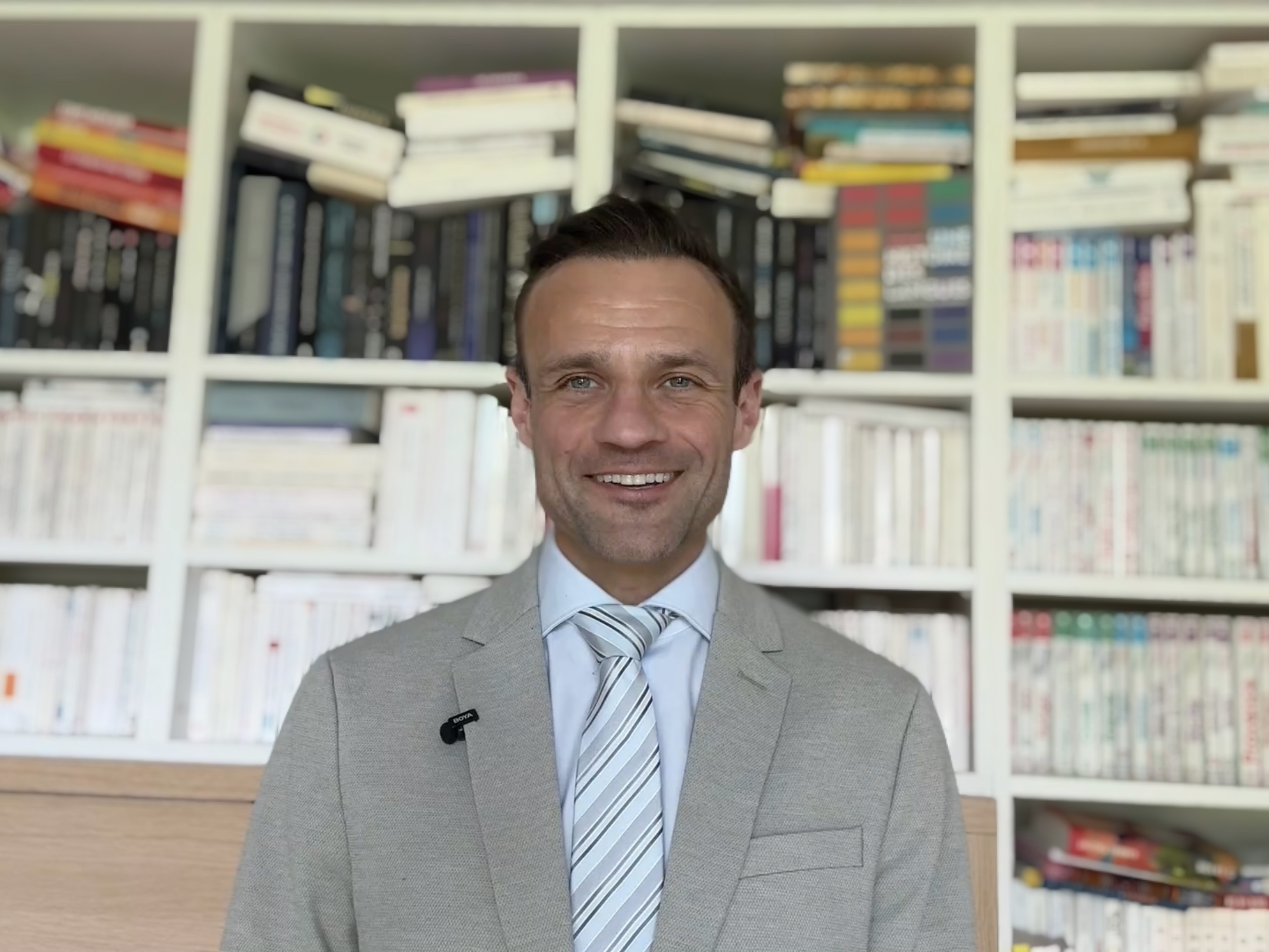
Dear friends, dear colleagues,
It’s a great honor for me to speak to you today at the annual conference of the Translators Association of China. Let me begin by expressing my sincere thanks to TAC for this invitation and more broadly for its remarkable contribution to our profession. TAC plays a central role, not only within China, but also in Asia and within the international community. Its capacity to bring together professionals, researchers, and institutions at such a scale is really impressive.
各位同仁、各位朋友:
非常荣幸受邀在中国翻译协会年会上发言。首先,我想对中国翻译协会为翻译行业作出的卓越贡献,致以最诚挚的感谢。中国翻译协会不仅在国内影响深远,在亚洲乃至国际舞台上也发挥着举足轻重的作用,能汇聚如此众多的专家、学者和相关机构,着实令人赞叹。
A conference like yours, bringing together so many colleagues from across the country reflects something very important: the strength of a community that is both rooted in its own context and open to the world. And that brings me to the theme of your conference, the infinite possibilities of translation in the era of digital intelligence. We are all aware that our profession is going through a period of profound transformation. There is no need to deny it, and I don’t think we should deny it. The tools we use are changing; the market we are working in is changing as well. And quite clearly, the volume of work available in its traditional form is also evolving. In the years to come, it’s now obvious that fewer people will work in our profession in the way we have known it. We need to accept it. We need to acknowledge it and move forward.
Now, this may sound a little bit concerning at first, but I believe we need to look at this with clarity and with calm. What we are leaving behind is not the profession itself, but a certain phase of its development. What we sometimes call, perhaps a little nostalgically, a golden age of translation. But what matters now is not the number of practitioners. What matters is the level of expertise. Because if anything, the need for highly skilled, highly trained language professionals is increasing. In a world where content can be generated instantly, the real value lies in those who can ensure accuracy, nuance, responsibility, and trust. And responsibility and trust, I believe, are the key words here. Technology, including AI, offers extraordinary opportunities, we know that. It can support our work. It can expand our capacities and open new areas of activity.
这种变革听起来或许令人不安,但我们需要认清形势、沉着应对。渐行渐远的并非翻译职业本身,而是翻译行业的一个发展阶段,我们略带怀念地称之为翻译的“黄金时代”。进入新的发展时期,翻译从业者的专业性比从业人数更为关键,市场对高技能、高素养的语言专业人才的需求不断增加。在翻译内容能够即时生成的时代,那些能够确保译文准确、注重语言细节、具备高度责任感并赢得信任的译者,才是行业亟需的人才。其中,责任和信任是关键。技术的迭代,特别是人工智能的发展,为我们提供了重大机遇,能够助力我们的工作,增强我们的能力,并不断拓展翻译工作的边界。
But at the same time, it also creates new risks: risks of misunderstanding, risks of overconfidence, risk of assuming that communication is effective simply because it is fast. This is where our role becomes even more essential. Because translation is not only about transferring words. We all know that here. It’s about ensuring that meaning is understood, that intentions are respected and that communication remains reliable. In that sense, our profession is not becoming less important. It is becoming more important and more demanding.
同时,技术也带来不容忽视的风险:误解误读的风险、过度信任的风险以及将快速沟通等同于有效沟通的风险,译者的重要性由此凸显。众所周知,翻译不仅是字词的转换,其目的是确保人们能够理解语言背后的含义,尊重表达者的本意,并确保交流可靠有效。鉴于此,翻译的价值不会降低,翻译的重要性会更突出,对翻译工作者的要求也更高。
We need even more skilled linguists than ever before. And this is precisely why associations like TAC and more broadly networks like FIT have such a crucial role to play, because no individual and no single organization can face these changes alone. We need spaces where we can reflect shared experiences and build common responses. This is what associations provide. They support professional development; they have defined standards; they create communities of practice; and they give our profession a collective voice.
我们比以往任何时候都更需要专业的语言工作者。正因如此,中国翻译协会等行业组织和国际译联等国际组织所承担的角色就尤为重要,因为在这个时代,任何个人或机构都无法独自应对这些变革,我们需要能够分享经验、共同应对挑战的平台。这正是行业组织所发挥的作用——推动职业发展、制定行业标准、建立实践社群,并为整个行业发声。
在国际层面,国际译联所着力推进的工作主要包括:建立跨区域翻译协会之间的联系,促进知识和观点的交流,并确保翻译工作者在不断变革的环境中依然能够被看见、被理解、被尊重。在此,我向大家明确表态:你们可以信赖我们,包括我本人以及整个国际译联理事会,我们将继续与你们并肩前行,支持你们的各项工作,并不断深化我们之间的合作。
Because ultimately, what unites us goes far beyond tools or markets. It’s a shared responsibility, a responsibility to enable understanding between people, between cultures and between societies. And that responsibility remains as essential today as it has ever been and perhaps even more so. So yes, the context is changing, but the purpose remains. The purpose remains. And as long as that purpose exists, our profession will endure, and it will continue to rely on skilled, dedicated and thoughtful professionals like those gathered in this room here today.
归根到底,让我们团结在一起的不只是工具和市场,而是一份共同的责任。我们肩负着促进人文交流、架起不同文化与社会之间桥梁的使命。这份责任在今天同样关键,甚至可能更为重要。时代在变,但是翻译的意义始终如一,历久弥新。正因翻译之义不减,翻译行业也将长存不衰。行业的发展有赖于像今天在座的各位这样专业敬业、慎思明辨的优秀从业者。
So, thank you once again for invitation, and for the work you do every day to support and advance our profession.
最后,再次感谢中国翻译协会的邀请,也感谢你们一直以来为支持和推动翻译行业发展作出的贡献。
Thank you.
谢谢大家。